
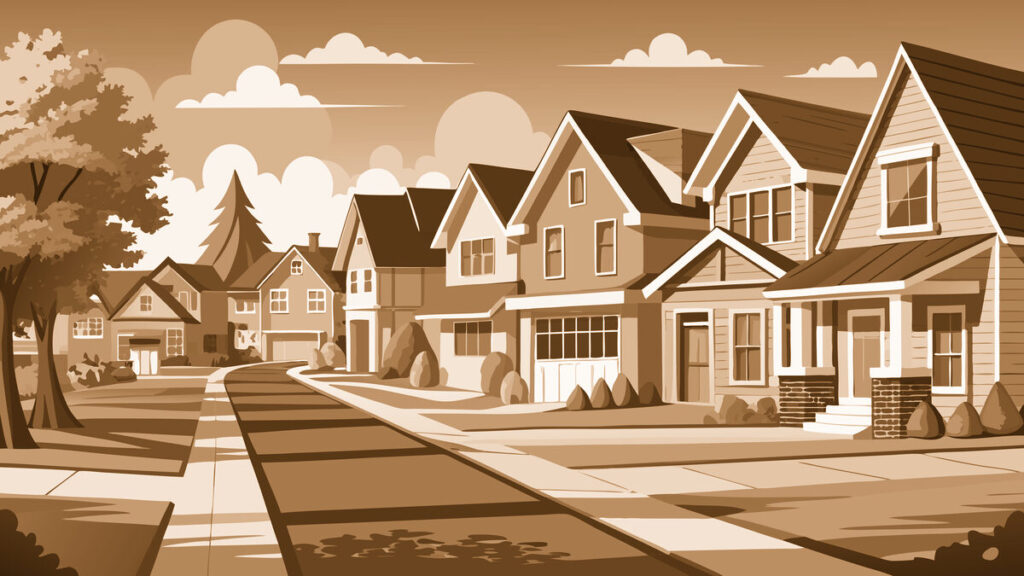
Nestled in the heart of Mansfield, Texas, Nelmwood Estates stands as a quiet testament to the city’s rich history and enduring sense of community. For newcomers and longtime locals alike, the neighborhood’s tree-lined streets, character homes, and close-knit spirit offer both comfort and a deep sense of heritage. But how did Nelmwood Estates come to be, and what stories lie behind the brick facades and shaded sidewalks? Let’s take a stroll down memory lane and explore what makes this Mansfield enclave so special.
The Origins of Nelmwood Estates
Every neighborhood has a beginning—and for Nelmwood Estates, those roots run back to the early days of Mansfield’s expansion in the post-war era. As Mansfield began to grow beyond its agricultural and railroad origins in the 1950s and 1960s, there arose a need for residential areas that could appeal to both young families and established professionals seeking refuge from the bustle of nearby Dallas-Fort Worth.
Nelmwood Estates took shape in the late 1970s, as developers recognized the potential of this lush, slightly elevated stretch along Nelmwood Drive and side streets like South Willow Drive and Elmview Circle. The area’s gentle slopes and mature trees gave it a unique beauty—remnants of the native woodlands that once covered this part of southern Tarrant County.
How Nelmwood Estates Got Its Name
The story behind the Nelmwood Estates name is as cozy and charming as the neighborhood itself. According to local accounts, the name was inspired by a combination of the area’s natural features and the surname of one of its original landowners, the Nelms family. The “wood” is a nod to the dense groves of oak, elm, and cedar that shaded the land long before the first home foundations were poured.
This blending of personal legacy and natural heritage is emblematic of Mansfield’s approach to community development—thoughtful, respectful, and rooted in a sense of place.
Key Historical Milestones
Nelmwood Estates quickly became one of Mansfield’s most desirable places to live throughout the late 20th century, thanks in part to the quality of its homes and the strength of its community ties. Some notable milestones in the neighborhood’s story include:
- Early Development (1978-1985): The first homes were built with brick facades, spacious yards, and front porches made for neighborly chats. Builders took care to preserve as many mature trees as possible, giving the streets a shady, established feel even in the early years.
- Mansfield ISD Expansion: The neighborhood’s proximity to Legacy High School and Erma Nash Elementary School drew in families who wanted great educational opportunities within walking distance. Today, the buzz of school life is still part of Nelmwood’s daily rhythm.
- Community Park Addition: Willow Park, a neighborhood green space nestled along Willow Drive, became a gathering spot in the 1990s for summer picnics, Easter egg hunts, and annual block parties.
- Architectural Preservation (2000s): As newer developments began to spring up around Mansfield, residents of Nelmwood Estates banded together to preserve their neighborhood’s unique identity. Civic groups advocated for responsible development and maintained the area’s distinctive charm.
Notable Landmarks and Buildings
Though Nelmwood Estates is largely residential, certain spots stand out as cornerstones of neighborhood life:
- Willow Park: This pocket park is the heartbeat of Nelmwood Estates. Lined with benches under spreading oaks, families gather here for everything from casual afternoons to lively “Movies in the Park” nights each summer.
- Nelmwood Entry Monument: At the main entrance on Nelmwood Drive, a low brick monument with wrought iron accents welcomes visitors and acts as a symbol of community pride.
- Historic Residences: Many homes on Elmview Circle and South Willow Drive date back to the neighborhood’s first decade and display classic Texas ranch-style touches—think wide eaves, large front lawns, and hand-laid stone pathways.
- Neighbor’s Garden Corner: What began as a small community flowerbed near the intersection of Nelmwood and Willow grew over time into a vibrant garden, artistically maintained by local volunteers. It blooms brightly each spring, a symbol of shared stewardship.
The Evolution of Nelmwood Estates
Over the decades, Nelmwood Estates has gracefully evolved along with the city of Mansfield. Once a “new” neighborhood on the southern edge of town, it’s now lovingly referred to as a “heritage neighborhood.” Generations have planted roots here—children grow up riding bikes along Nelmwood Drive, return after college, and introduce their own kids to the same friendly faces and familiar sidewalks.
Recent years have seen gentle updates: a careful mix of home renovations and landscape improvements that honor the community’s legacy while keeping it vibrant and livable. New families move in, drawn by stories of friendly neighbors, evening strolls under heritage trees, and an environment where “everybody looks out for everybody else.”
Throughout it all, the original character remains—visible in the dog-eared family photo albums, the retirees who walk together every morning, and the annual Nelmwood Estates Fall Festival, where longtime residents pass down stories of the “old days” to excited newcomers.
Why Nelmwood Estates Still Feels Like Home
There are plenty of newer subdivisions in Mansfield, but Nelmwood Estates holds a truly special place in the city’s story. Here, neighbors greet each other by name, lawns are dotted with seasonal displays, and the pace feels just a little easier than in the outside world.
What makes Nelmwood Estates so endearing? Perhaps it’s the physical beauty of its aged trees and carefully preserved homes. Or maybe it’s the memories—of the first community BBQ, of a child’s first steps in Willow Park, of countless block parties that have brought generations together.
If you find yourself wandering down Nelmwood Drive on a golden Texas evening, take a moment to listen for the echoes of the past amid the laughter and conversation. You’ll understand why, for so many, Nelmwood Estates is not just a place to live—but a place to belong.